
Art as a Different Way of Thinking

How observing art shifts the brain into a new cognitive mode
Most of the time the brain operates in an efficiency mode. It relies on shortcuts, quick pattern recognition, and familiar interpretations to move through the world quickly. Psychologists often describe this as fast or automatic processing, a system that allows us to make rapid judgments without extensive reflection.
This mental efficiency is useful, but it can also limit how flexibly we think. When the brain relies on established patterns, it tends to see situations through the same interpretations again and again.
Looking carefully at art interrupts this pattern.
Research from neuroscience and psychology suggests that sustained observation of visual art can shift the brain out of automatic processing and into a more reflective cognitive state. In this state, the brain becomes more curious, more attentive to subtle patterns, and more open to alternative interpretations.
In other words, art can create the conditions for a different way of thinking.
Moving Beyond Automatic Judgments
In daily life, the brain labels what it sees almost instantly. Art interrupts this habit. Because artworks rarely offer a single obvious interpretation, the brain cannot categorize them immediately. Instead, it continues examining the image, searching for relationships and meaning.
When the pace of observation slows, people begin to notice how quickly the brain normally jumps to conclusions—and how different thinking becomes when that pace changes.
In the Art Of Perspective workshop, observation is intentionally slowed even further. Participants spend extended time with individual works of art using simple prompts that encourage sustained attention. This deliberate pacing allows the brain to move beyond quick labeling and into deeper observation.
Pattern Recognition and Curiosity
The brain is constantly searching for patterns. Visual art provides a particularly rich environment for this process.
When viewers examine an artwork, the brain analyzes color relationships, spatial depth, and compositional structure. As patterns become visible, the brain integrates this information with memory and interpretation.
Each moment of recognition, identifying a pattern or relationship, encourages the viewer to keep looking.
Instead of reacting quickly, the brain remains engaged in observation.
The Role of Environment
The setting in which art is viewed also influences how the brain processes information.
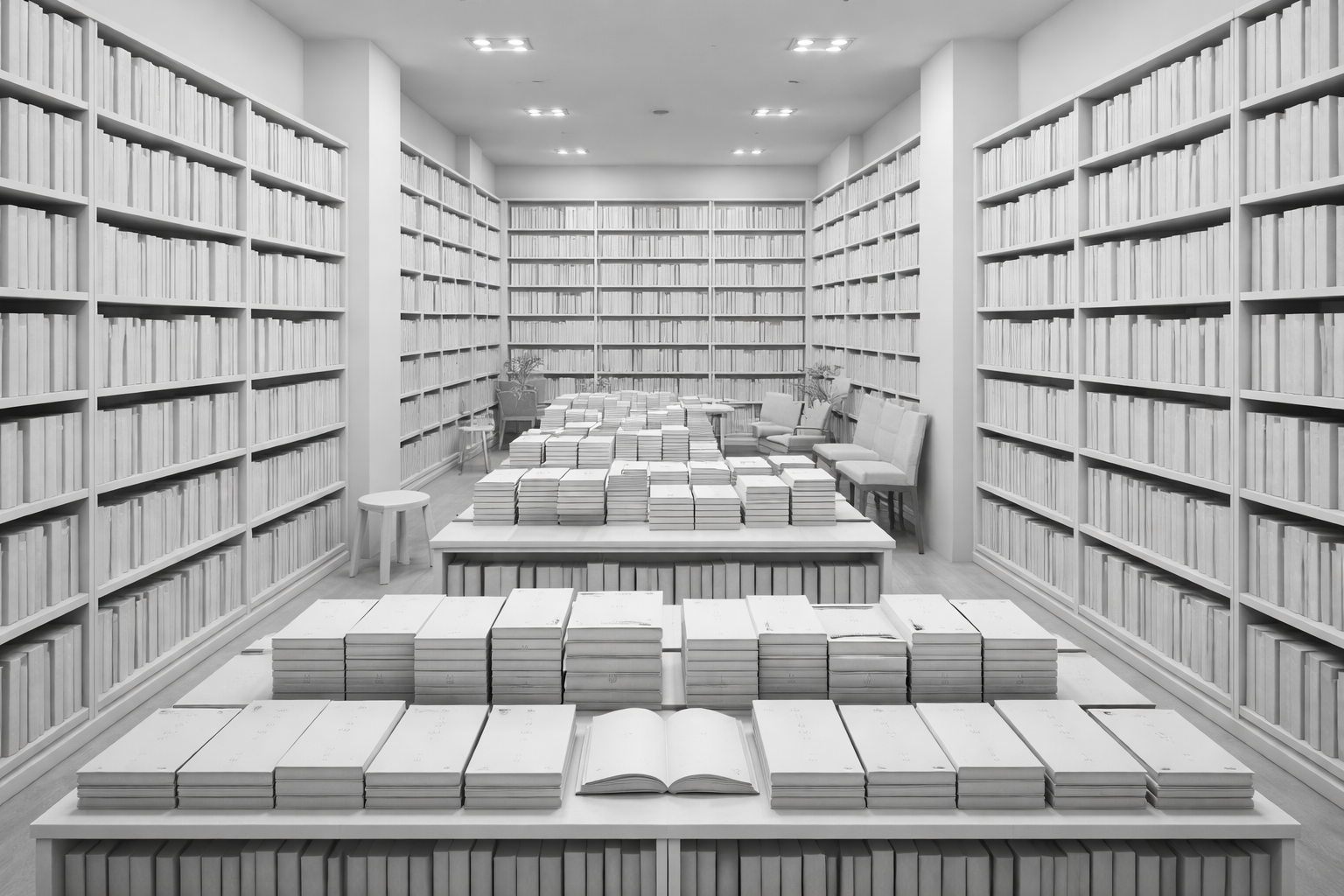
Museums and galleries typically provide environments with minimal distraction: quiet spaces, controlled lighting, and slower movement through visual environments. These conditions reduce cognitive overload and allow the brain’s attention system to recover from constant stimulation.
When the brain is not responding to urgent demands, it can shift toward more reflective thinking. This allows viewers to notice relationships and ideas that might otherwise go unnoticed.
Reflection and the Default Mode Network
Another shift occurs when the brain moves into a more reflective mode of activity.
When the mind is not focused on an immediate task, it begins connecting memories, ideas, and observations. This reflective state supports perspective-taking, meaning-making, and creative insight.
Looking at art often encourages this shift because interpretation is open-ended. Viewers imagine possible meanings, connect the image to personal experiences, and consider broader themes.
During the discussion portion of the Art Of Perspective workshop, participants often find that ideas or questions they brought into the museum begin to reorganize as they process what they have seen.
Visual observation becomes a starting point for reflection.

A Different Cognitive Mode
Looking at art does not directly solve problems. Instead, it changes the conditions under which thinking occurs.
By slowing attention, engaging pattern recognition, and encouraging reflection, art moves the brain away from automatic reactions and toward a more exploratory way of thinking.
When the pace of observation changes, the mind often begins to reorganize ideas, questions, and assumptions.
Sometimes a different answer begins with a different way of seeing.